If you’re considering an electric car through limited company ownership, there are major tax advantages in 2025. Many directors are now opting for an electric car through limited company setup due to low BIK and full capital allowances. Discover the tax benefits of buying an electric car through your limited company, including BIK rates and capital allowances.
Why Electric Cars Are Popular with Limited Companies
In This Guide
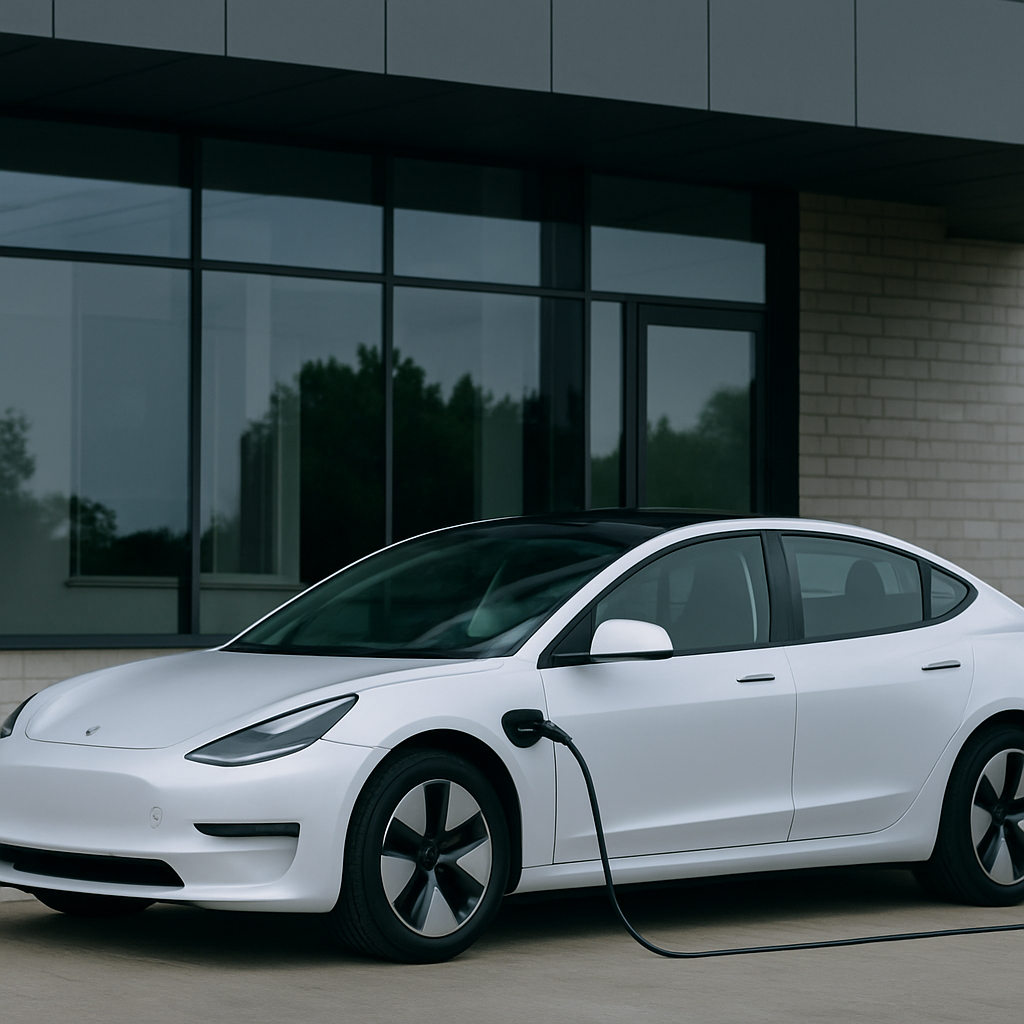
HMRC currently offers generous tax incentives to encourage electric vehicle use.
Some key benefits include:
- 2% BIK rate for fully electric vehicles until 2027
- 100% First Year Allowance (FYA) on new EVs
- Lower National Insurance contributions
- Reduced fuel costs
- No road tax for most EVs
For directors looking to save tax and reduce company profits, this is a popular route.
Capital Allowances: Claim the Full Cost
If your company buys a new fully electric car outright (not leased), it can claim 100% FYA in the year of purchase. This means the full purchase price can be deducted from company profits.
Example:
- EV cost: £40,000
- Corporation tax savings: £40,000 × 19% = £7,600
This reduces your tax bill while giving the company a valuable asset.
If you lease the car instead, you can’t claim capital allowances. But you can deduct the lease payments as a business expense. If emissions are 0g/km (fully electric), you can claim 100% of the lease cost.
For hybrid or petrol cars with higher emissions, only 85% of the lease cost is deductible.
Benefit in Kind (BIK) for Directors and Employees : HMRC Guidance
When a company provides a car for personal use, BIK tax applies. For electric cars, the BIK rate is very low.
2025/26 BIK rate: 2%
Example:
- Car list price: £40,000
- BIK value: £40,000 × 2% = £800
Personal tax cost:
- Basic rate taxpayer (20%): £160 per year
- Higher rate taxpayer (40%): £320 per year
The company must also pay Class 1A National Insurance on the BIK value:
- £800 × 13.8% = £110.40 per year
Compare this to a diesel car where BIK could be 30% or more. That’s a significant saving.
Charging Costs and Tax Rules
- Workplace charging: No BIK if provided to all employees.
- Home charging: You can reimburse mileage at HMRC’s approved rate (currently 9p per mile for EVs).
- Public charging: If the company pays and the car is used personally, this may count as a benefit.
Check with your accountant to avoid unexpected tax liabilities.
Is an Electric Car Through Limited Company Setup Worth It?
- Full tax deduction via capital allowance
- Very low BIK for the driver
- Helps reduce your Corporation Tax bill
- Cheaper running costs
- Green credentials for your brand
Cons to Consider
- Higher upfront cost compared to petrol cars
- Limited range (depending on model)
- Tax rules may change in future
- Selling the car later could lead to a tax charge
Extra Insight: Pool Cars vs Electric Company Cars
It’s worth noting that pool cars (used by multiple employees for business only) are treated differently from electric company cars assigned to directors. Pool cars are usually exempt from BIK, but they come with strict usage rules. If you’re considering an electric car for shared company use, make sure it qualifies — otherwise, BIK charges may still apply.
Final Thoughts
Choosing an electric car through limited company ownership can be a strategic tax-saving move in 2025.
However, each situation is different. Leasing, personal vs. business use, and insurance costs all play a role.
At Power Accountax, we will help you understand whether an electric car through limited company purchase is right for your business.
Contact us for personalised advice and EV tax planning.